
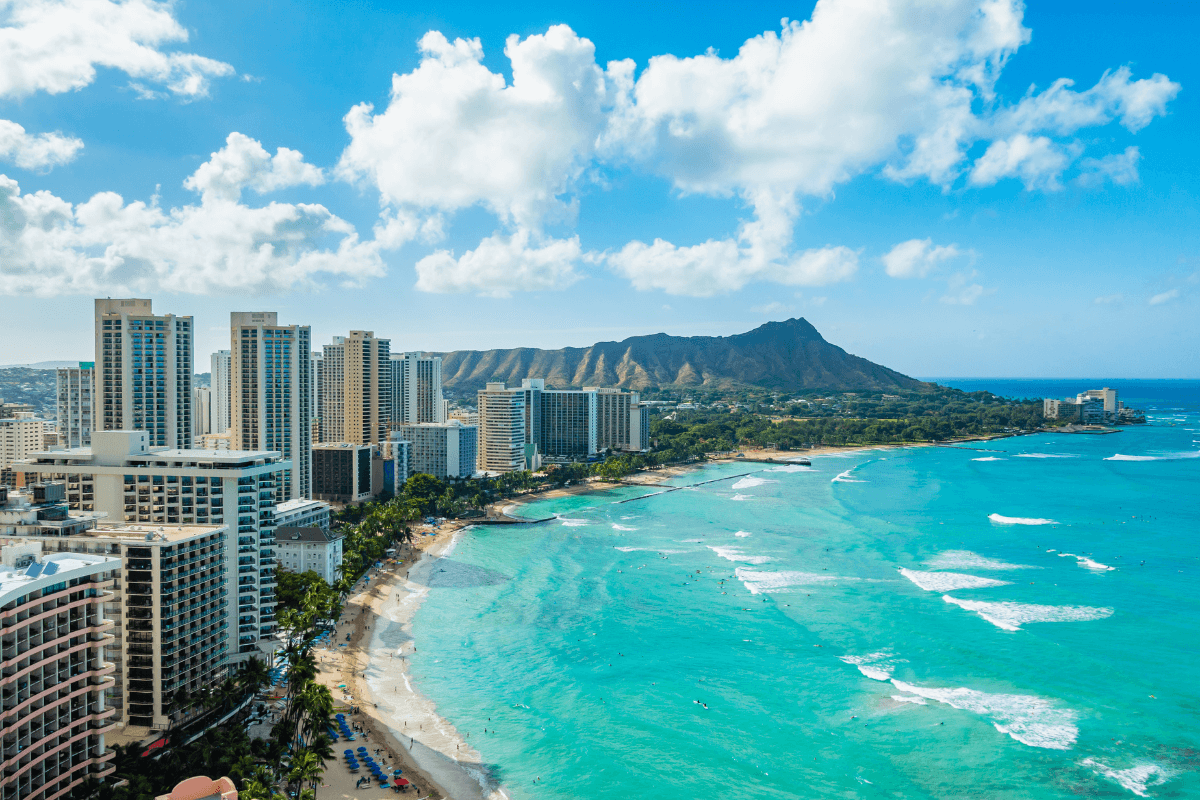
Early March in Dallas means unpredictable weather—one day it's 75 and sunny, the next it's 40 with freezing rain. Meanwhile, Honolulu is sitting at a steady 80 degrees with trade winds and clear skies. For North Texas travelers ready to escape late winter limbo, Hawaii offers something increasingly rare: guaranteed warmth without the peak-season chaos.
This guide is built specifically for Dallas-based travelers considering Honolulu in early March 2026. We'll cover flight routing realities from DFW and Love Field, what weather to actually expect, how to time your trip around spring break crowds, and whether this window makes sense for your travel style. The goal is clarity, not hype.
TL;DR: Honolulu in Early March
Flight Reality: American flies nonstop from DFW to Honolulu. Flight time: 8-9 hours direct. This is one of the best Hawaii routing options from any Texas airport.
Weather Sweet Spot: High of 80°F, low of 68°F. Tail end of rainy season with brief afternoon showers. Ocean temp around 76°F—comfortable for swimming.
Crowd Timing: Early March (before March 8) is shoulder season. Mid-to-late March sees spring break surges. Plan accordingly.
Whale Season Bonus: Humpback whales are still in Hawaiian waters through mid-April. Early March offers excellent sighting chances.
Trip Length Sweet Spot: 7-10 days minimum. The 8-9 hour flight time and 4-hour time change mean shorter trips feel rushed. Build in recovery days.
Honolulu, Oahu
Where late winter becomes early summer
Why Early March Works Well for a Honolulu Trip
Shoulder Season Advantages
Hawaii's peak season runs from mid-December through February, when mainland travelers flee winter and Japanese tourists arrive for New Year celebrations. By early March, that wave has receded. Hotels have availability again. Popular restaurants take same-week reservations. The beaches aren't empty—this is still Hawaii—but the intensity drops noticeably.
For Dallas travelers, early March also dodges Texas spring break, which typically falls in mid-to-late March. You get the benefit of post-winter escape timing without competing with every other family from the Metroplex.
The North Texas Mindset
By early March, Dallas has endured three to four months of gray skies, random ice storms, and that persistent damp cold that makes 45 degrees feel like 25. The psychological value of guaranteed sun and 80-degree days is hard to overstate. You're not just escaping winter—you're resetting after months of weather uncertainty.
Honolulu delivers exactly what North Texas doesn't have in March: consistent warmth, ocean access, and the ability to plan outdoor activities without checking a radar app every hour.
Weather in Honolulu in Early March
Temperature: Daily highs around 80°F (27°C), lows around 68°F (20°C). Comfortable for beach days, pleasant for evening walks. No humidity extremes like you'd find in summer.
Ocean Conditions: Water temperature around 76°F (24°C). North Shore still sees winter swells, but south shore beaches (Waikiki, Ala Moana) are calm and swimmable. Excellent snorkeling visibility.
Rain Reality: March is the tail end of Hawaii's wet season. Expect brief afternoon showers, especially on the windward (east) side. Waikiki and the south shore see less rain. Showers rarely last more than 20 minutes.
Daylight Hours: Sunrise around 6:30 AM, sunset around 6:30 PM. Nearly 12 hours of daylight. Hawaii doesn't observe daylight saving time, so time difference from Dallas is 4 hours (when Texas is on CST).
Pack layers for evening (a light jacket or long sleeves), bring a rain jacket for hikes, and don't let a forecast of "scattered showers" deter you. Hawaiian rain is different from Texas rain—it's warm, brief, and often followed by rainbows. The weather in early March is genuinely pleasant, not a compromise.
Flights to Honolulu from Dallas
DFW Nonstop: The Best Option
American Airlines flies nonstop from DFW to Honolulu (HNL). Flight time is approximately 8 hours 45 minutes westbound. This is one of the best Hawaii routing options from any Texas airport—no connections, no layovers, no missed flights.
- Airline: American Airlines
- Flight time: ~8 hours 45 minutes
- Departure: Morning flights arrive mid-afternoon Hawaii time
- Aircraft: Typically Boeing 787 Dreamliner or 777
The nonstop is the way to go when prices align. Connecting flights through LAX, PHX, or DEN add 3-5 hours to your travel day and introduce the risk of missed connections. When you find a nonstop deal, book it.
Love Field: Not an Option
Dallas Love Field (DAL) does not offer any routes to Hawaii—nonstop or connecting. Southwest operates most Love Field traffic, and while they do fly to Hawaii from some mainland cities, none originate in Dallas. If you're heading to Honolulu from North Texas, you're flying out of DFW.
Time Change and Jet Lag Considerations
Honolulu is 4 hours behind Dallas (when Texas is on Central Standard Time). The nonstop from DFW typically departs in the morning and arrives in Honolulu mid-afternoon local time, thanks to the westward travel and time zone shift.
The return is harder. You leave Honolulu in the evening and arrive in Dallas late at night or early morning, often feeling like you've lost a day. Build in recovery time—especially if you're returning to work immediately.
Jet Lag Strategy — Going: You'll gain time. Arrive in the afternoon, stay awake until 9-10 PM local time, and you'll adjust within a day or two. Returning: You'll lose time. Plan a light first day back. Some travelers take a red-eye that arrives early morning and power through; others prefer an overnight layover on the mainland.
Tracking Hawaii deals?
Premium members get instant alerts when we find deals to Honolulu, Maui, Kauai, and the Big Island. Set up custom trip alerts by destination, dates, and savings threshold.
Go Premium
Crowds, Spring Break, and Timing It Right
When Crowds Peak in March
March crowd levels in Hawaii depend almost entirely on spring break timing. The first week of March (before roughly March 8) is generally the quietest. Waikiki isn't deserted, but the density is noticeably lower than what you'd see in December, February, or late March.
Starting around the second week of March, spring break travelers from across the country begin arriving. Texas schools typically have spring break in mid-to-late March, but California, the Midwest, and East Coast often start earlier. By mid-March, expect Waikiki Beach to feel crowded, popular snorkeling spots to be busier, and restaurant reservations to require more planning.
How to Plan Around Spring Break
Early March (Mar 1-8): Shoulder season conditions. Best availability for hotels and activities. Lower demand, better potential for deals. Ideal for travelers with schedule flexibility.
Mid-Late March (Mar 9-31): Spring break crowds arrive. Book hotels and tours further in advance. Popular spots get busy by 9-10 AM. Still great weather, just more people.
In 2026, Easter falls on April 5. Many Texas school districts schedule spring break the week before Easter, which would place it in late March/early April. However, districts vary. Check your specific school calendar, and if traveling without kids, aim for early March to maximize the shoulder-season window.
What to Do in Honolulu in March
Beach Days vs. Hiking
Early March is excellent for both, with some caveats. South shore beaches (Waikiki, Ala Moana Beach Park, Lanikai on the windward side) have calm, swimmable conditions. The North Shore still sees winter swells—great for watching surfers at Pipeline or Waimea Bay, less ideal for casual swimming unless you're experienced.
For hiking, expect trails to be muddier than in summer, especially on the windward side. Diamond Head is always crowded but doable—go early (before 7 AM) to beat the heat and crowds. The Koko Head stairs offer a punishing workout with rewarding views. The Manoa Falls trail is lush after winter rains but can be slippery.
Whale Watching Window
This is a significant reason to visit Oahu in early March. Humpback whales migrate to Hawaiian waters from December through mid-April, with peak activity typically in February and March. Early March offers excellent whale-watching opportunities—mothers with calves are common, and you can often spot breaches from shore at places like Makapuu Lookout.
Boat tours depart from Honolulu Harbor and guarantee sightings during peak season. If you're interested in whale watching, early March is one of the best times to visit.
From shore: Makapuu Lookout, Hanauma Bay overlook, and the coastal trail near Lanai Lookout offer good vantage points. By boat: Morning tours tend to have calmer seas. Book a few days in advance during March. What to expect: Spouts, tail slaps, and if you're lucky, full breaches. Patience pays off.
Food, Neighborhoods, and Cultural Sites
Waikiki: The obvious base for first-timers. Yes, it's touristy, but the beach is genuinely beautiful, and the concentration of hotels, restaurants, and activities makes logistics easy. International Market Place has improved dining options. Duke's is worth one sunset cocktail despite the crowds.
Chinatown & Downtown: Honolulu's Chinatown is walkable, filled with dim sum spots, lei shops, and art galleries. The Hawaii State Capitol and Iolani Palace (the only royal palace on U.S. soil) are nearby. This area offers a counterbalance to Waikiki's beach-centric vibe.
Kaimuki & Kapahulu: For food-focused travelers, these neighborhoods just outside Waikiki offer some of Honolulu's best eating: Leonard's Bakery for malasadas, Rainbow Drive-In for plate lunch, and a range of poke spots and cafes that locals actually frequent.
Pearl Harbor: The USS Arizona Memorial requires advance reservations (free, but limited). Book online 60 days ahead for March dates. The full Pearl Harbor complex—including the USS Missouri and Pacific Aviation Museum—takes most of a day. Go early, bring patience, and respect the space.
Who Early March Is (and Isn't) Ideal For
Early March Works Well For
- Couples seeking a warm escape: Shoulder season pricing, romantic sunsets, whale watching.
- Remote workers with flexibility: Avoid peak crowds by traveling before March 8.
- Families with young kids (pre-school age): Not tied to school breaks, calm beach conditions, manageable crowds.
- Beach-first travelers: Guaranteed warm water, swimmable south shore, sun without summer humidity.
- Wildlife enthusiasts: Peak whale season, good snorkeling visibility.
Consider Another Month If
- You're a serious surfer: North Shore is pumping in winter (Dec-Feb), not early March.
- You want guaranteed dry weather: June-September is Hawaii's true dry season.
- You have school-age kids: Mid-late March overlaps with spring break; early March may not align with your district's schedule.
- You're on a very tight budget: Shoulder season helps, but Hawaii is expensive year-round. A longer trip amplifies costs.
- You only have 4-5 days: The flight time and jet lag make short trips feel rushed. Consider closer beach destinations.
Practical Planning Tips for Dallas Travelers
Trip Length Sweet Spot
Even with a nonstop flight, Hawaii is a full day of travel each way. Anything under 7 days feels rushed. The ideal range is 7-10 days:
- 7 days: Enough for one island (Oahu), comfortable pacing, 5 full days on the ground.
- 10 days: Can add a second island (Maui or Kauai) without feeling frantic. Allows for jet lag recovery and genuine relaxation.
- 14 days: True immersion. Time for three islands or deep exploration of two.
If you only have 5-6 days, it's still doable—but set expectations. You'll spend day one arriving, day six departing, and four days in between. It works for a focused Oahu trip if you're not trying to see everything.
Getting Around Oahu
Unlike mainland destinations, flying to Hawaii is your only option—no road trip alternative exists. Once on Oahu, you have choices:
Rental Car: Recommended if you want to explore beyond Waikiki—North Shore, windward side, hiking trailheads. Book in advance; Oahu's rental market gets tight during spring break. Parking in Waikiki costs $35-50/day at most hotels.
No Car (Waikiki-Based): Viable if you're staying in Waikiki and planning beach days, nearby hikes (Diamond Head, Manoa Falls via rideshare), and occasional tours. TheBus covers the island but is slow. Rideshare is available but expensive for longer trips.
Packing Notes from a North Texas Perspective
Dallas travelers often overpack for Hawaii. The reality: you'll live in shorts, t-shirts, and sandals. Here's what actually matters:
- Layers for evening: Temperatures drop to the high 60s at night. A light jacket or hoodie is enough.
- Rain jacket (not umbrella): Hawaiian showers are brief but can catch you on hikes. A packable rain jacket beats an umbrella.
- Reef-safe sunscreen: Hawaii law requires it. Buy before you go—airport prices are painful.
- Water shoes: If you're snorkeling or exploring rocky coastline, they're essential. Waikiki beach is sandy enough to skip them.
- Hat and sunglasses: The tropical sun is stronger than you think. North Texas winter skin will burn fast.
Ready to plan your Hawaii escape?
We monitor flight deals from Dallas to Hawaii daily. Premium members get a live deals dashboard updating in real time and unlimited custom trip alerts by city, dates, and savings threshold.
Get Flight Deal Alerts from DFW & DAL
Free subscribers get our twice-weekly deal newsletter and every deal page on the site, refreshed hourly. Premium adds the live deals dashboard updating in real time and unlimited custom trip alerts by city, dates, and savings threshold.
Read Next
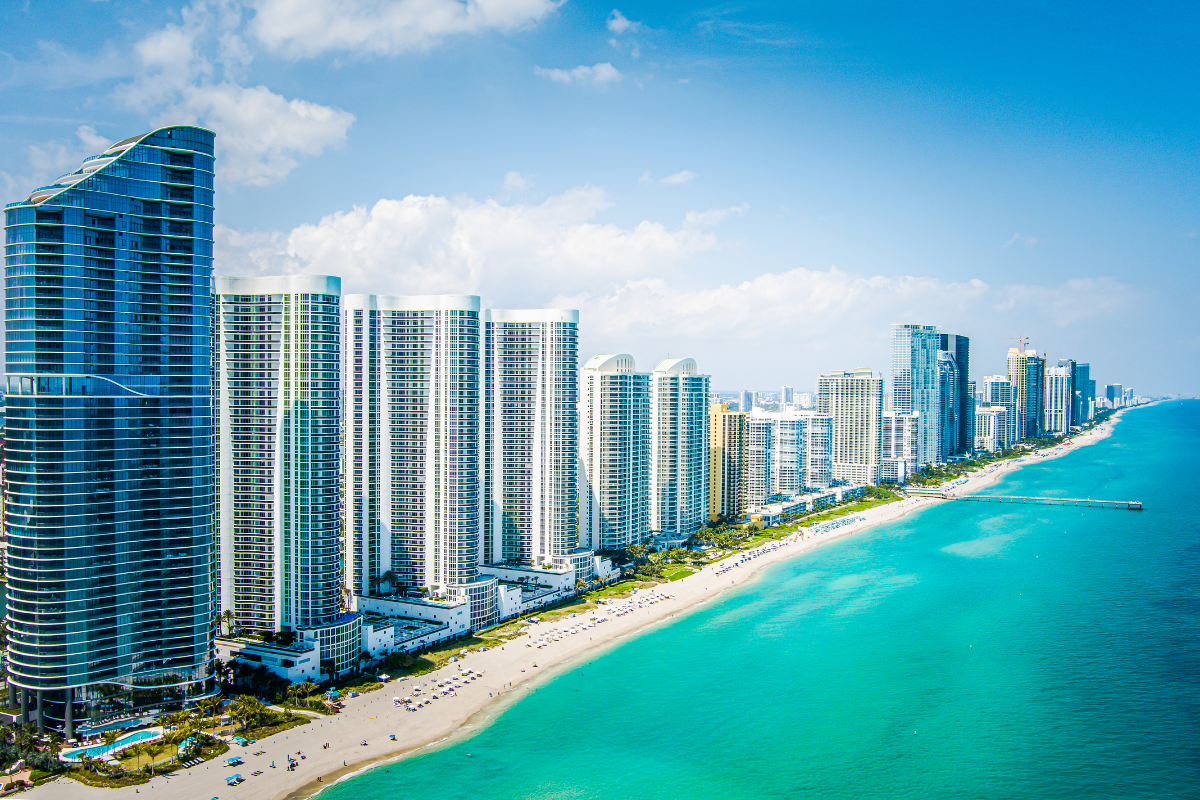
Planning a Trip to Miami from Dallas: What to Know Before You Go
A practical guide for Dallas travelers considering Miami. Nonstop flight details from DFW, neighborhood breakdowns from South Beach to Little Havana, restaurant recommendations from Joe's Stone Crab to Michelin-starred Boia De, Cuban coffee culture, Art Basel and Calle Ocho, weather and hurricane realities, and honest advice on when to go and how long to stay.
Planning a Trip to New Orleans from Dallas: What to Know Before You Go
A practical guide for Dallas travelers considering New Orleans. Nonstop flight details from DFW, neighborhood breakdowns from the French Quarter to Bywater, restaurant history from Commander's Palace to po'boy origins, cocktail culture, Mardi Gras logistics, and honest advice on when to go and how long to stay.