
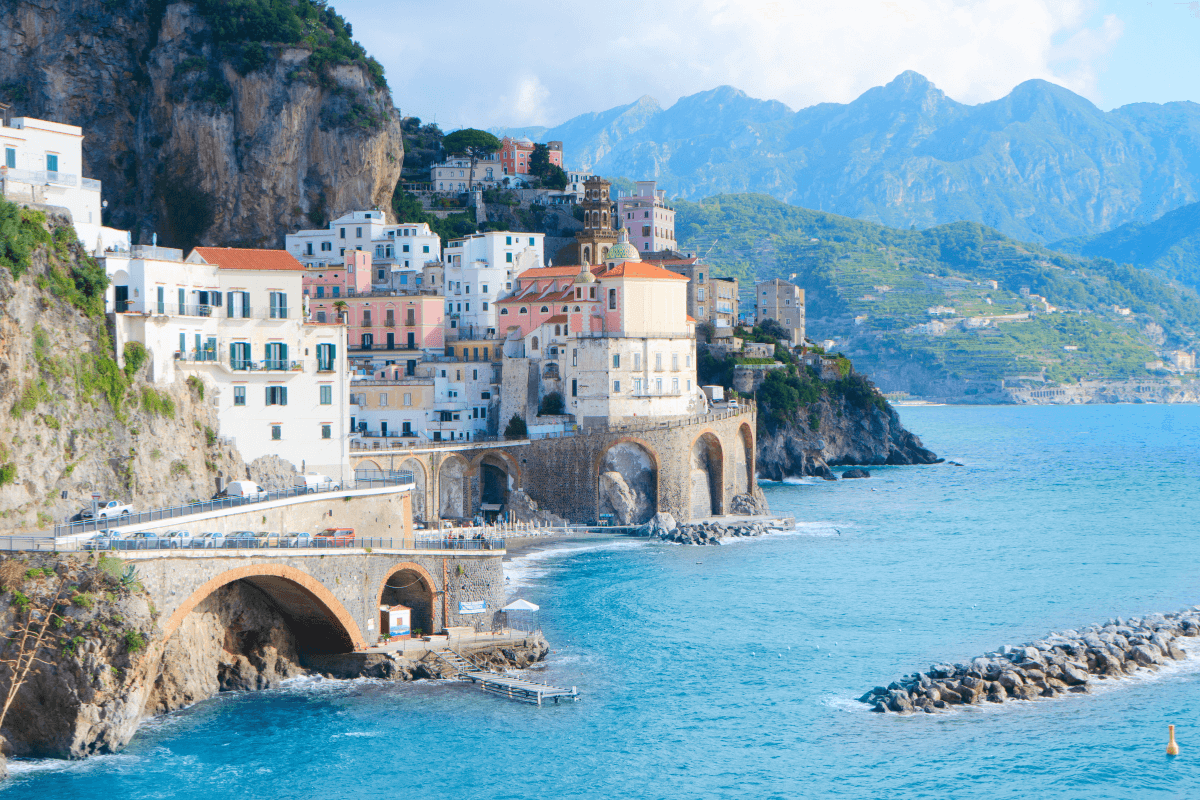
Italy in 2026 is shaping up to be one of the most exciting years for travel in recent memory. The Winter Olympics are coming to Milan and Cortina d'Ampezzo in February. The Jubilee Year crowds in Rome will finally thin out after January 6. And from Dallas, you have better access to Italy than almost any other U.S. city thanks to American Airlines' hub at DFW.
This guide is built specifically for Dallas travelers. We've verified flight routes, researched train schedules, checked 2026 event calendars, and mapped out exactly how to connect 11 Italian cities into trips that actually make sense. Whether you want to anchor in Rome and day-trip, chase the Olympics in Milan, or escape to Sicily's beaches, here's how to plan it.
TL;DR: Italy Trip Planning at a Glance
Your Gateway: Rome (FCO) is your only nonstop option from DFW. American flies daily in peak season, 5x/week in winter. Flight time: ~10 hours.
Best Timing: April-May or September-October for pleasant weather without crushing crowds. Avoid February (Olympics) if you're not attending.
Train Reality: Rome to Florence in 1.5 hours. Rome to Naples in 1 hour. Rome to Milan in 3 hours. High-speed rail connects the major cities beautifully.
Smart Routing: Consider open-jaw tickets (fly into Rome, out of Milan) to avoid backtracking. Train north, fly home from Milan via a European connection.
Trip Length Sweet Spots: 7 days = Rome + one add-on (Florence or Naples). 10 days = Rome + Florence + Bologna or Venice. 14 days = Full north-to-south or add Sicily.
11 Cities, One Trip Planning Guide
From Rome to Sicily, we've mapped out the cities that make sense for Dallas travelers—with verified routes, realistic timing, and actual train connections.
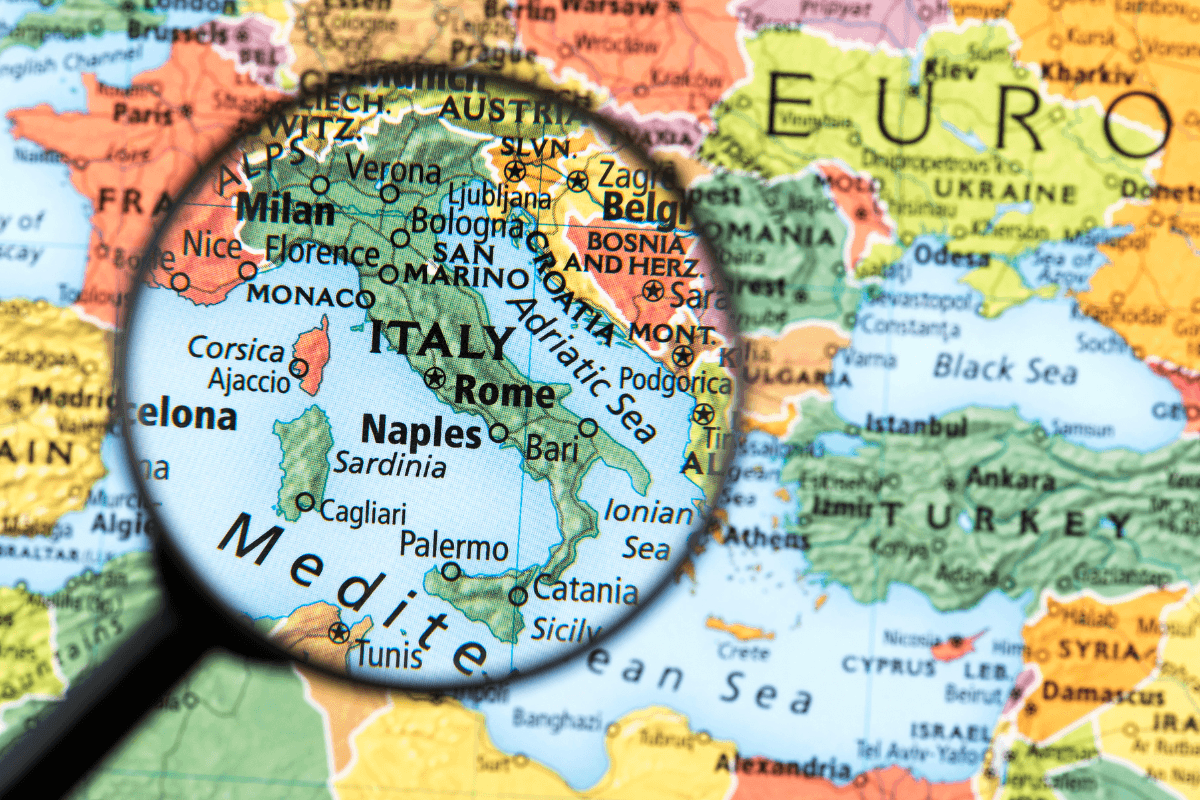
Before You Go: What Dallas Travelers Need to Know for Italy in 2026
DFW vs DAL: What's Realistic for Italy Flights
Let's be direct: Dallas Love Field (DAL) is not an option for Italy. Love Field's gates are capped by federal law, and all international long-haul service operates from DFW. If you're heading to Italy from North Texas, you're flying out of DFW International Airport.
The good news: DFW is American Airlines' largest hub in the world, and American operates the only nonstop service from Dallas to Italy—specifically to Rome's Fiumicino Airport (FCO).
Nonstop vs 1-Stop Strategy (Based on Verified 2026 Routes)
Confirmed DFW Nonstop Routes to Italy (2026):
- Rome (FCO): American Airlines daily service in peak season (May-October), 5x weekly in winter. Flight time: ~10 hours 15 minutes.
Note: There is currently no nonstop service from DFW to Milan. American is adding Miami-Milan for March 2026, but Dallas travelers will need connections.
Common 1-Stop Connection Hubs for Milan, Venice, Naples, or other Italian cities without nonstop service from DFW:
- London Heathrow (LHR): British Airways and American connect to most Italian cities
- Paris (CDG): Air France offers extensive Italian network
- Frankfurt (FRA): Lufthansa hub with good Italian connections
- Rome (FCO): Fly nonstop to Rome, then connect domestically on ITA Airways or take the train
Dallas traveler logic: If your primary destination is Rome, Florence, Naples, or anywhere in central/southern Italy, book the DFW-Rome nonstop and use trains from there. If you're focused on Milan, Venice, or the north, consider whether a 1-stop through London or Frankfurt makes more sense than backtracking from Rome—or plan an open-jaw itinerary.
Best Time to Go (by Region)
Northern Italy (Milan, Turin, Bologna, Verona, Genoa)
Best: April-June, September-October. Winters are cold (0-10°C/32-50°F) with fog. Summers are warm but not brutal. February 2026 brings the Winter Olympics to Milan—expect major crowds and premium pricing if that's your destination.
Central Italy (Rome, Florence, Pisa)
Best: April-May, September-October. Moderate climate year-round. Summer temps hit 30°C+ (86°F+) with heavy tourist traffic. Spring and fall offer 17-27°C (63-81°F)—ideal for walking cities without overheating.
Southern Italy (Naples, Bari)
Best: April-June, September-October. Longer summers, mild winters. March is excellent for exploring Puglia and the Amalfi Coast before crowds arrive. Summer can be very hot.
Sicily (Palermo)
Best: May-June, September-October. Mediterranean climate with scorching summers (35°C+/95°F+). Spring and fall offer 20-28°C (68-82°F). Ferry services run most reliably April-October.
2026-Specific Timing Notes:
- January 1-6: Jubilee Year officially ends in Rome. Expect elevated crowds through the closing ceremonies.
- February 6-22: Winter Olympics in Milan/Cortina. Northern Italy will be packed; accommodation prices will be premium.
- March 6-15: Winter Paralympics, same region.
- June 12-September: Arena di Verona Opera Festival. Verona will be busy on show nights.
How Long to Plan (7, 10, 14-Day Pacing Templates)
7 Days: Rome + One Add-On
Perfect for first-timers or limited vacation time.
- Days 1-4: Rome (arrival day, 3 full days)
- Days 5-6: Florence or Naples (train day + one full day)
- Day 7: Return to Rome for departure
10 Days: Rome + Two Cities
Room to breathe, classic rail routing.
- Days 1-4: Rome (arrival + 3 full days)
- Days 5-6: Florence (train day, 1 full day)
- Days 7-8: Bologna or Venice (train day, 1 full day)
- Days 9-10: Milan or return to Rome for departure
14 Days: North-to-South or Add Sicily
Full immersion, consider open-jaw routing.
- Days 1-4: Rome
- Days 5-6: Naples + Pompeii or Amalfi day trip
- Days 7-8: Florence
- Days 9-10: Bologna or Verona
- Days 11-13: Milan or Venice
- Day 14: Departure
Alternative: Swap northern cities for Sicily (fly Rome to Palermo, 3-4 days in Sicily, fly home from Palermo with connection).
Featured Destination: Rome
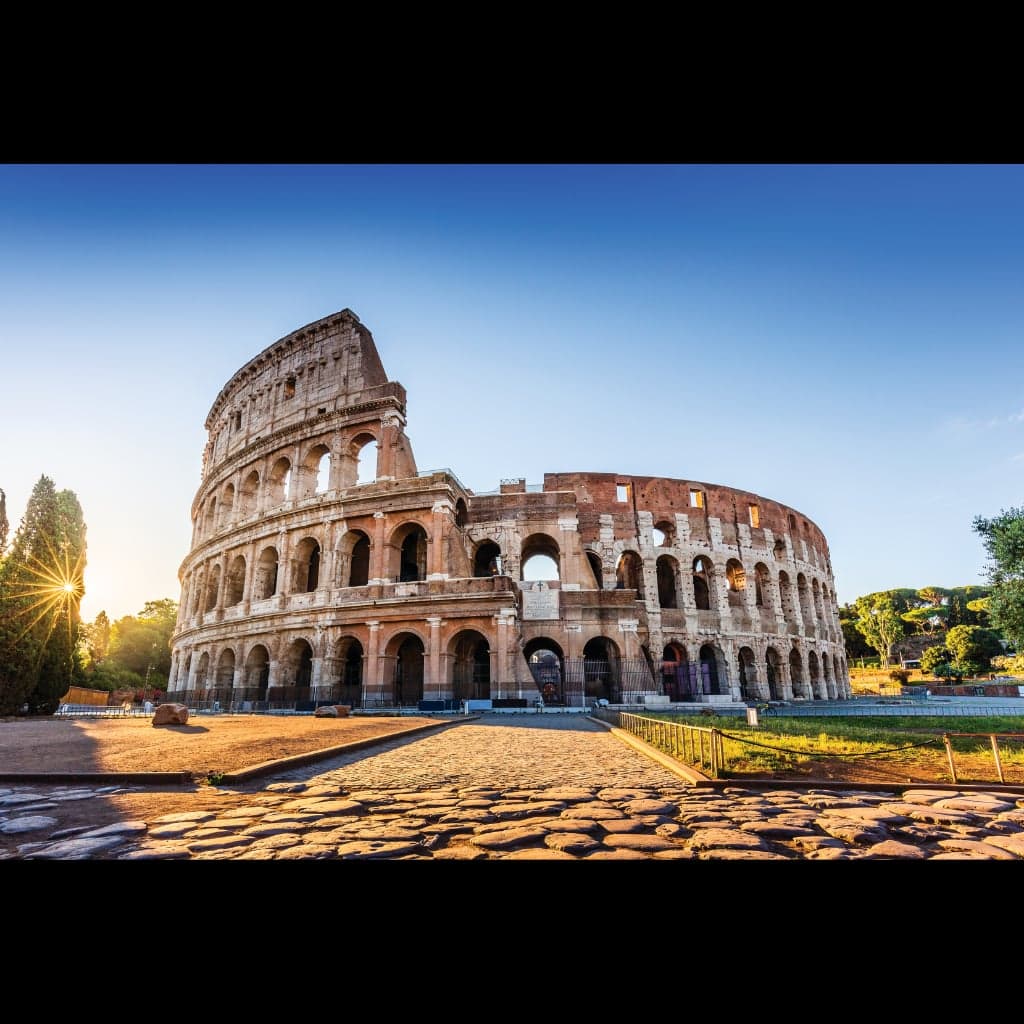
Why Rome is the Easiest Anchor City from Dallas
Rome isn't just Italy's capital—it's your only nonstop option from DFW, which makes it the natural hub for any Italy trip. American's daily service lands you at Fiumicino Airport (FCO), and from there, Italy's high-speed rail network puts Florence 1.5 hours away, Naples 1 hour away, and even Milan within 3 hours.
For Dallas travelers, this means you can fly nonstop to Rome, explore the city for a few days, then use Rome's Termini station as a launchpad for the rest of Italy. No connections, no extra flights, no wasted time.
How Many Days in Rome for 2026
First Trip to Rome: 3-4 Full Days
Enough time for the Colosseum, Vatican Museums, Pantheon, Trastevere exploration, and a few leisurely meals. You'll hit the highlights without feeling rushed, but you won't exhaust the city—which is fine. Rome deserves a return visit.
Repeat Visit: 2-3 Days
If you've done the major sites, focus on neighborhoods you missed—Testaccio for food, Aventine Hill for views, or day trips to Ostia Antica or Tivoli. Use Rome as a launchpad rather than the main event.
Neighborhoods That Work Best for Visitors
Centro Storico (Historic Center)
Choose this if: It's your first time and you want to walk everywhere. The Pantheon, Trevi Fountain, Piazza Navona, and Spanish Steps are all within this maze of cobblestone streets.
Tradeoff: Most expensive, most crowded, limited metro access (you'll walk or taxi).
Trastevere
Choose this if: You want charm without tourist overload. Narrow alleys, ivy-covered buildings, excellent restaurants, and a local vibe. Popular with American students, so it's lively at night.
Tradeoff: 20-30 minute walk to the Colosseum/Forum. Tram line 8 connects you to central Rome.
Monti
Choose this if: You want a hip, bohemian neighborhood with excellent street food and good metro access (Cavour and Colosseo stations). The Colosseum is a 10-minute walk.
Tradeoff: Vatican is too far to walk—take the metro.
A note on Rome's metro: Unlike Paris or London, Rome's metro doesn't thoroughly cover the historic center. Plan to walk a lot. Choose your neighborhood based on what you want nearby on foot, not based on metro proximity.
Getting Around Rome + Airport Transfers (2026 Reality)
Fiumicino Airport (FCO) to City Center:
Leonardo Express (Recommended)
- Nonstop train to Roma Termini station
- 32 minutes, departs every 15 minutes
- $15 per person ($45 for 4 tickets)
- Children under 12 free with paying adult
- Hours: 6:23 AM - 11:53 PM from airport
FL1 Regional Train (Budget Option)
- Stops at Trastevere, Ostiense, Tuscolana, Tiburtina
- Does NOT go to Termini
- Cheaper but slower—useful if your hotel is near those stations
Within Rome: Walk as much as possible. The metro has two main lines (A and B) that intersect at Termini. Trams and buses fill the gaps. Taxis are regulated with fixed rates from the airport. Uber exists but is less reliable than in Dallas.
Rome Day Trips and Easy Add-Ons (Verified Transit Times)
Florence (1.5 hours by train) — Doable as a day trip, but you'll feel rushed. Better as an overnight. High-speed Frecciarossa trains depart every 20 minutes from Termini.
Naples (1 hour by train) — Perfect day trip distance. Add Pompeii (another 30 min from Naples) for a full archaeological day.
Pompeii (2 hours by train) — Take fast train to Naples, local train to Pompeii Scavi station. Allow 3+ hours at the site. Long but rewarding day trip.
Amalfi Coast — Possible but exhausting from Rome (3+ hours each way with transfers). Most experts recommend basing in Sorrento or Positano for 2+ nights instead.
2026-Specific Rome Notes
- Jubilee Year ends January 6, 2026: The Holy Door at St. Peter's closes on Epiphany. Expect the first week of January to still be extremely crowded, then gradual return to normal visitor levels.
- Construction continues at Piazza Venezia: The Metro C project near the Colosseum and Piazza Venezia is scheduled to run until 2034. You'll see construction barriers, but the attractions themselves remain open.
- Summer 2026 crowds: Expect 60,000-80,000 daily visitors to central Rome in peak summer. Colosseum waits of 60-90 minutes even with timed entry are possible. Vatican Museums require early-morning starts to avoid crushing crowds.
- Reservation culture is real: Book Colosseum, Vatican Museums, and Borghese Gallery tickets weeks in advance. Many sites now require timed entry—this isn't optional.
Tracking Italy deals for 2026?
Premium members get instant alerts when we find deals on Rome, Milan, Florence, Naples, and all 11 Italian cities covered in this guide. Set up custom trip alerts by destination, dates, and savings threshold.
Go Premium
The Other 10 Cities: Concise, Practical, Verified
Each city below follows the same template: who it's best for, how long to stay, what to prioritize, where to base yourself, and how to get there from Rome or other hubs.
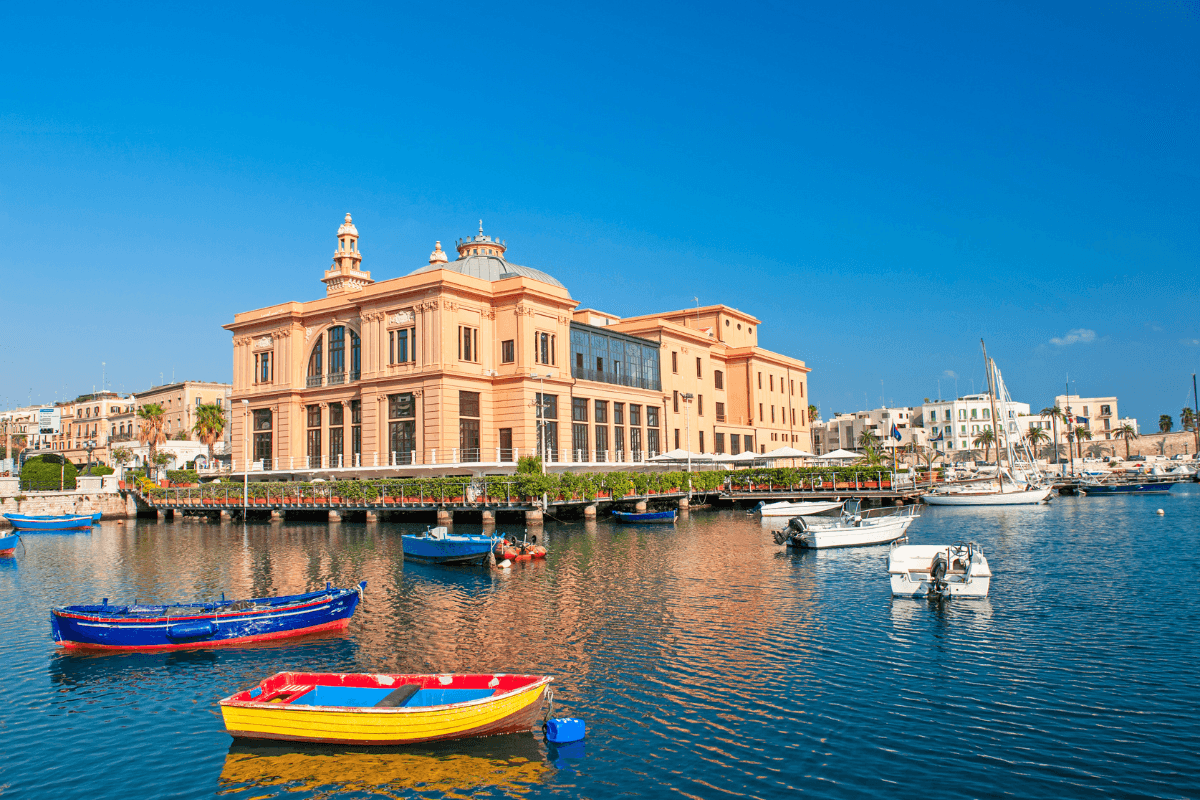
Bari
Gateway to Puglia's trulli and coastline
Best for / Vibe: Travelers wanting authentic southern Italy without tourist crowds. Whitewashed old town, excellent seafood, jumping-off point for Puglia's countryside and beach towns.
Ideal Length of Stay: 2-3 nights as a base for exploring Puglia. One night if just passing through.
What to Prioritize: Bari Vecchia (old town) for wandering. Basilica di San Nicola. Day trips to Alberobello (trulli houses, UNESCO site), Polignano a Mare (cliffside beach town), and Matera (cave dwellings, technically in Basilicata).
Best Base Area: Historic center near the train station. Hotels $85-150/night. Walking distance to old town and easy access to day trip trains.
Getting There + Next Stops: From Rome: 4 hours by train (Frecciarossa to Bari Centrale). Alternatively, 1-hour flight with connections through Rome or Milan. Airport: Bari Karol Wojtyla Airport (BRI), 20 minutes by train to city center. Next: Lecce (1.5 hours south by train), Naples (4 hours by train).
Bologna
Italy's food capital and rail crossroads
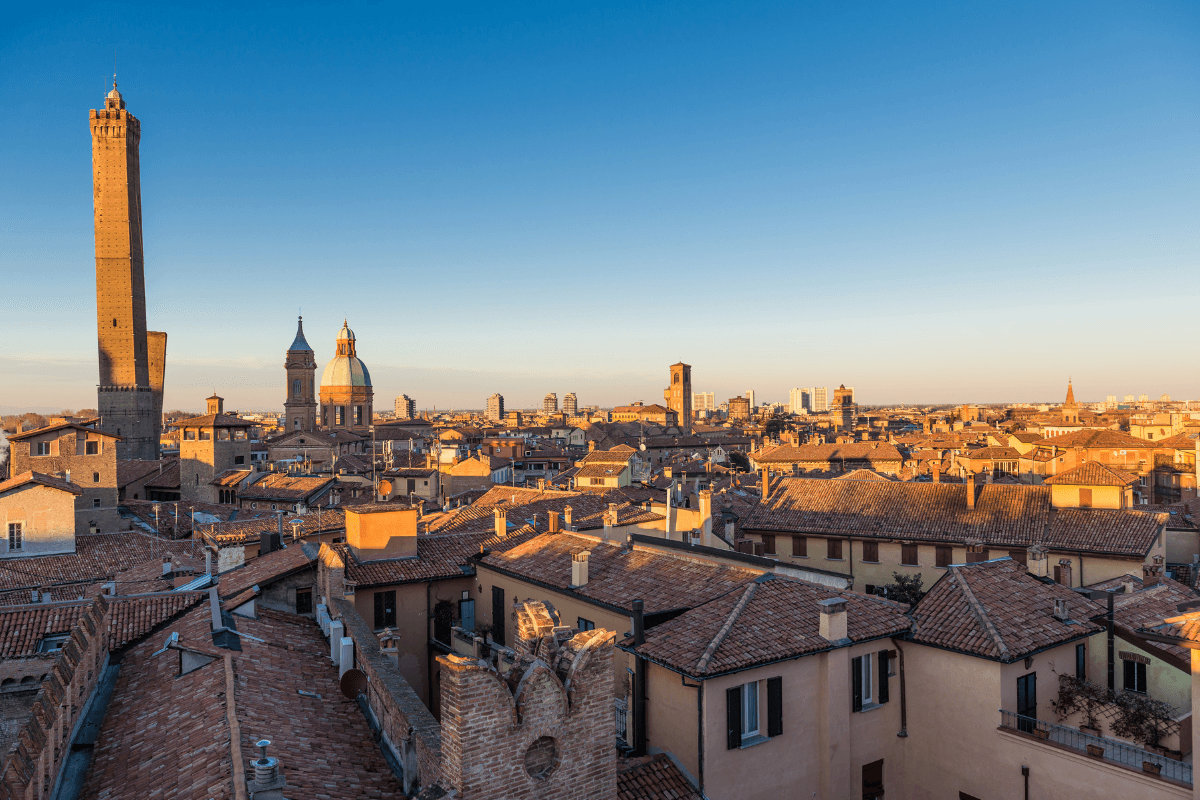
Best for / Vibe: Foodies, architecture lovers, and travelers who want a vibrant university city without Rome-level crowds. Known as "La Grassa" (The Fat One) for its cuisine and "La Rossa" for its red terracotta buildings.
Ideal Length of Stay: 1-2 nights. Can be a day trip from Florence (35 minutes) but deserves an overnight to enjoy the food scene properly.
What to Prioritize: Piazza Maggiore and Basilica di San Petronio. The famous porticoes (40+ km of covered walkways, UNESCO listed). Climb Torre degli Asinelli for views. The Quadrilatero food market district. Fresh pasta, mortadella, and tortellini are mandatory.
Best Base Area: Near Piazza Maggiore or within walking distance of Bologna Centrale station. The station is only 15 minutes walk from the main square.
Getting There + Next Stops: From Rome: 2-2.5 hours by Frecciarossa. From Florence: 35-40 minutes by high-speed train (59 trains daily). From Milan: Just over 1 hour. Airport: Bologna Guglielmo Marconi (BLQ), connected by monorail to Centrale station. Next: Florence (35 min), Venice (1.5 hours), Milan (1 hour).
Florence
The Renaissance capital
Best for / Vibe: Art and history lovers, first-time Italy visitors, anyone who wants world-class museums and architecture in a walkable city. Compact, beautiful, and absolutely essential.
Ideal Length of Stay: 2-3 nights minimum. The Uffizi and Accademia alone need a full day. Add time for Tuscan day trips if you're not continuing to Siena or Pisa separately.
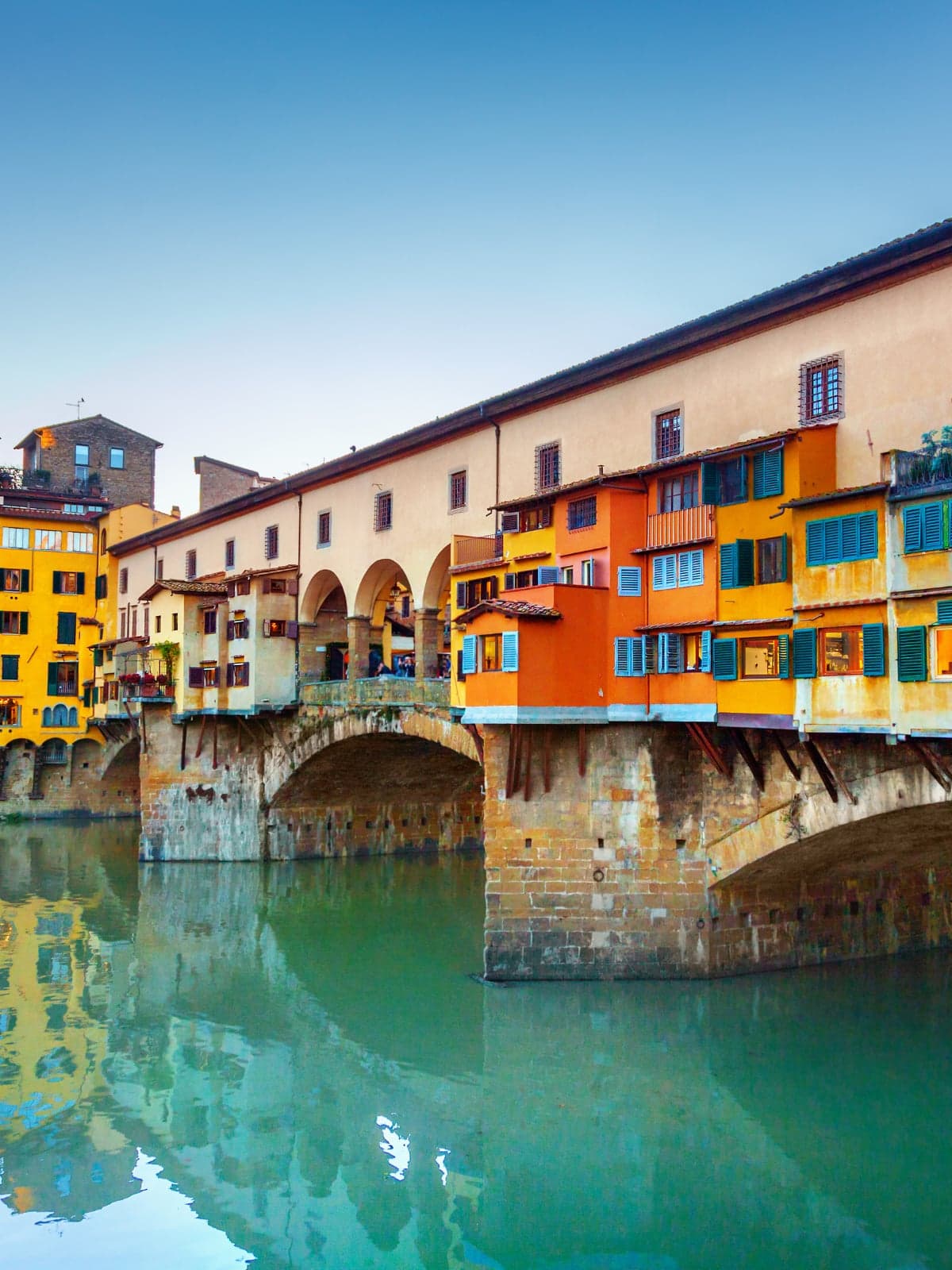
What to Prioritize: Uffizi Gallery (book weeks ahead). Accademia (for Michelangelo's David). The Duomo and Brunelleschi's dome climb. Ponte Vecchio at sunset. Oltrarno neighborhood for artisan workshops and fewer tourists.
Best Base Area: Centro Storico for first-timers, ultra-central but expensive and crowded. Oltrarno for local feel, artisan shops, great dining, across the Arno from main sights. Santa Croce for good nightlife, still walkable to center, slightly less crowded.
Getting There + Next Stops: From Rome: 1.5 hours by Frecciarossa, trains every 20 minutes. Airport: Florence Airport (FLR) is small; most fly into Pisa (PSA) and take 1-hour train, or into Rome and train up. Next: Pisa (50-90 min), Bologna (35 min), Siena (bus, 1.5 hours), Rome (1.5 hours).
Genoa
Historic port city and Cinque Terre gateway
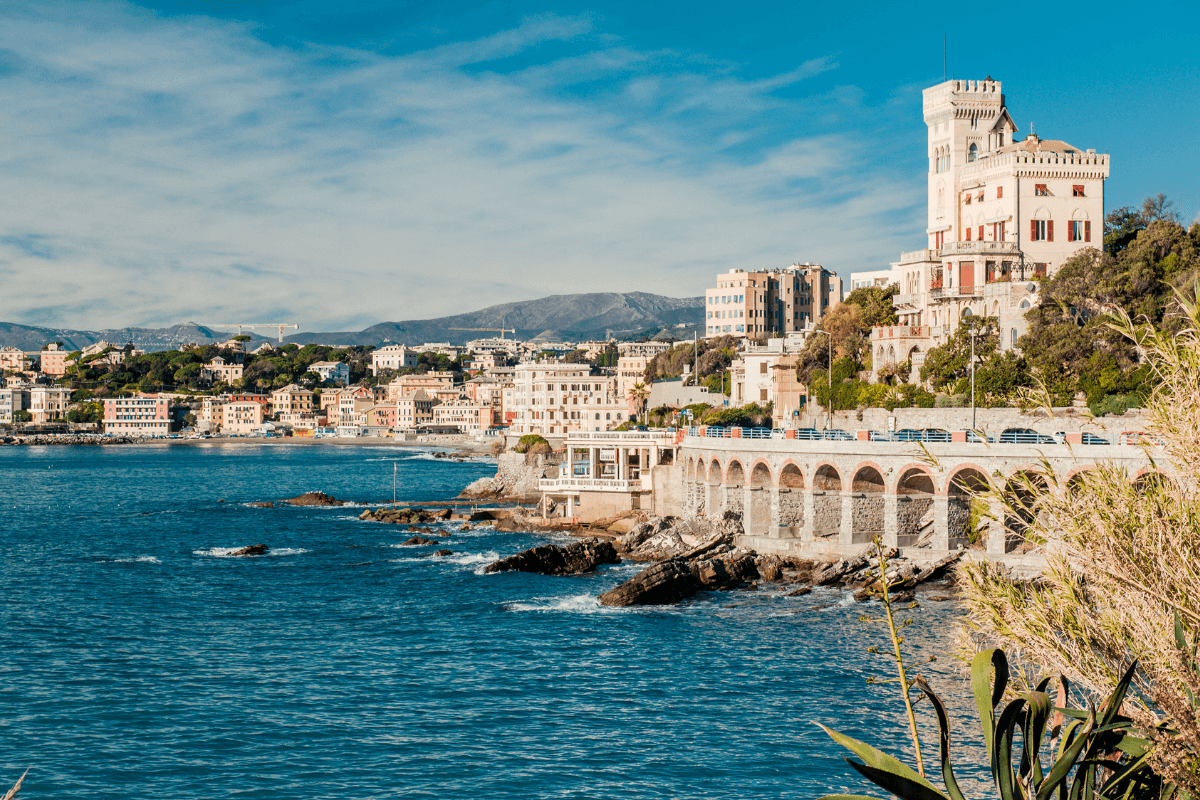
Best for / Vibe: Budget-conscious travelers, Cinque Terre day-trippers, history buffs who want a major port city without Venice prices. Refreshingly un-touristy compared to other Italian highlights.
Ideal Length of Stay: 1-2 nights as a Cinque Terre base, or a day trip from Milan. The old town is Europe's largest medieval center and deserves exploration.
What to Prioritize: The Porto Antico (old port, redesigned by Renzo Piano) and Aquarium of Genoa. Via Garibaldi's Renaissance palaces (UNESCO). The caruggi (narrow medieval alleys). Pesto—this is its birthplace.
Best Base Area: Near Genova Piazza Principe or Genova Brignole train stations for Cinque Terre access. Historic center for sightseeing.
Getting There + Next Stops: From Rome: 4-5 hours by train (change in Milan or direct regional). From Milan: 1.5-2 hours by train. Airport: Genoa Airport (GOA), connected by Airlink ($2, 5 min) to Sestri Ponente station. To Cinque Terre: 1.5 hours by train to Monterosso, first of the five villages.
Milan (2026 Winter Olympics Host)
Fashion, design, and the 2026 Olympics
Best for / Vibe: Design and fashion lovers, business travelers, Winter Olympics attendees (Feb 6-22, 2026), and anyone wanting a cosmopolitan Italian city that feels more European than traditionally Italian.
Ideal Length of Stay: 2-3 nights. One day for the Duomo, Last Supper, and Galleria; one for design districts and shopping; optional third for day trips to Lake Como or Bergamo.
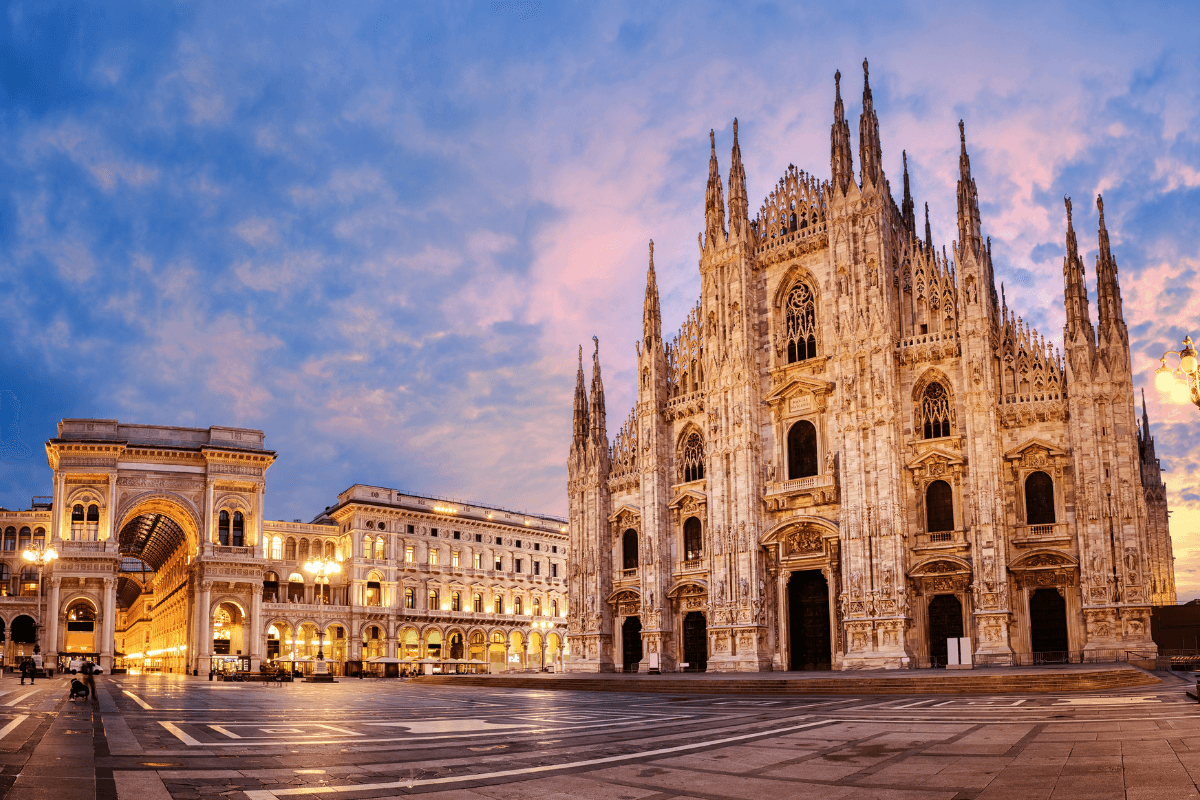
What to Prioritize: The Duomo and its rooftop terraces. Leonardo da Vinci's Last Supper at Santa Maria delle Grazie (book months ahead). Galleria Vittorio Emanuele II. Navigli canals for aperitivo. Fondazione Prada for contemporary art.
Best Base Area: Duomo/Centro for most convenient sightseeing, wide range of hotels. Brera for fashionable boutique hotels, near La Scala. Navigli for bohemian canal-side bars and restaurants, 15-20 min from center by metro.
Getting There + Next Stops: From Dallas: No nonstop. Connect via London, Paris, Frankfurt, or fly to Rome and train north (3 hours). From Rome: 3 hours by Frecciarossa. Airports: Malpensa (MXP) is the main international airport, 50 min by express train. Linate (LIN) is closer but mostly European flights. Next: Lake Como (1 hour by train), Turin (50 min), Venice (2.5 hours), Bologna (1 hour).
2026 Olympics Note: Milan hosts ice events Feb 6-22. Expect significant crowds and premium hotel rates. Book months in advance if attending, or avoid these dates if you're not.
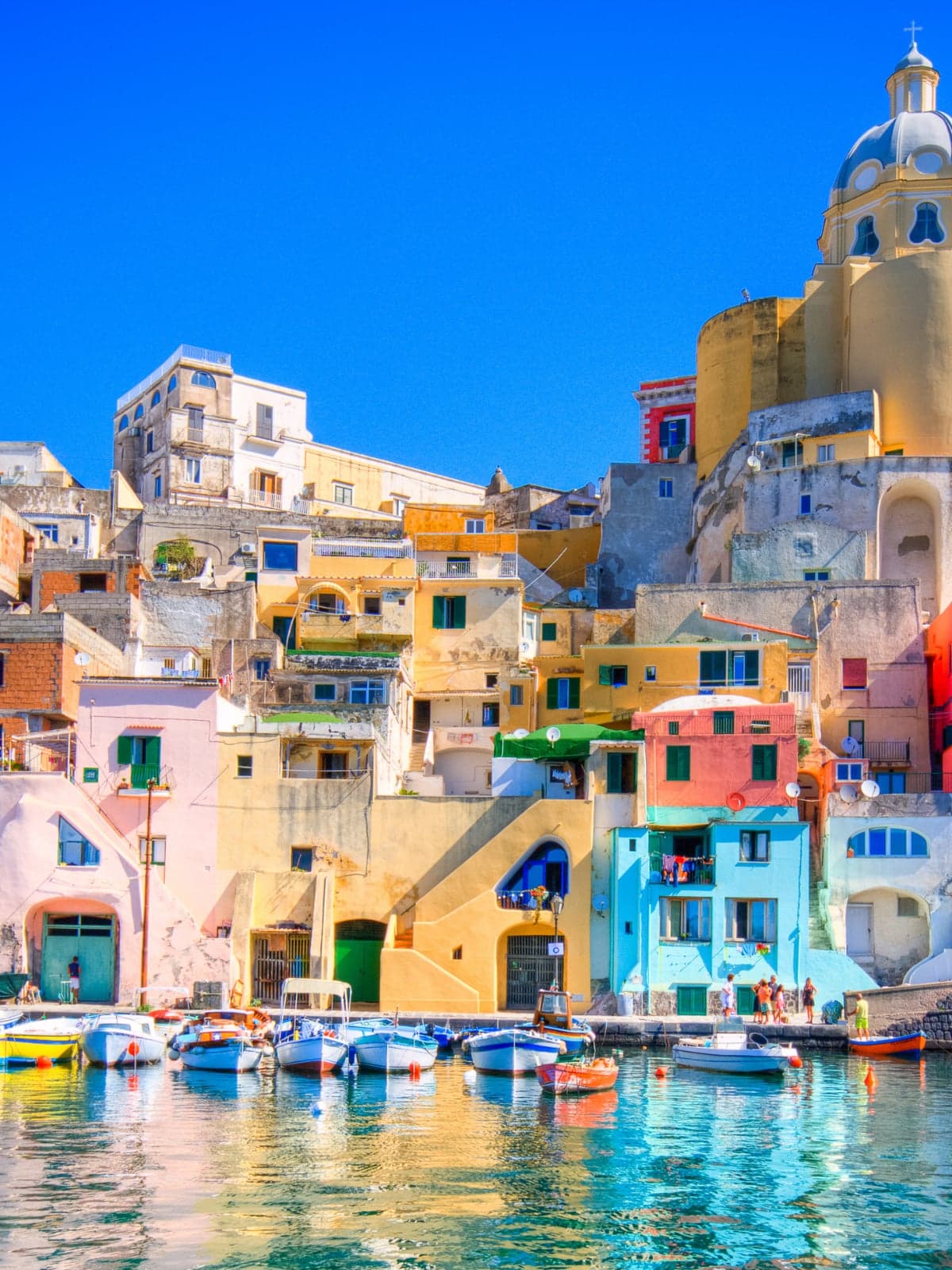
Naples
Gritty, authentic, and the birthplace of pizza
Best for / Vibe: Travelers who want unfiltered Italy—chaotic, loud, historic, and home to the world's best pizza. Gateway to Pompeii, the Amalfi Coast, and Capri. Not polished, but unforgettable.
Ideal Length of Stay: 2-3 nights. One day for the city itself, one for Pompeii/Herculaneum, optional third for Amalfi Coast access (though Sorrento is a better base for the coast).
What to Prioritize: Naples Archaeological Museum (Pompeii artifacts). Spaccanapoli street through the historic center. Pizza at Da Michele, Sorbillo, or 50 Kalo. Underground Naples (Napoli Sotterranea). Day trip to Pompeii (30 min by Circumvesuviana train).
Best Base Area: Centro Storico for immersion in the chaos. Near Napoli Centrale station for transit convenience. Chiaia/Lungomare for seafront calm and upscale dining.
Getting There + Next Stops: From Rome: 1 hour by Frecciarossa. One of the easiest day trips from Rome. Airport: Naples International (NAP), bus or taxi to city center (20-30 min). To Pompeii: Circumvesuviana train from Napoli Centrale to Pompeii Scavi (30 min, ~$3). To Amalfi Coast: Ferry from Naples port or train to Sorrento then bus/ferry.
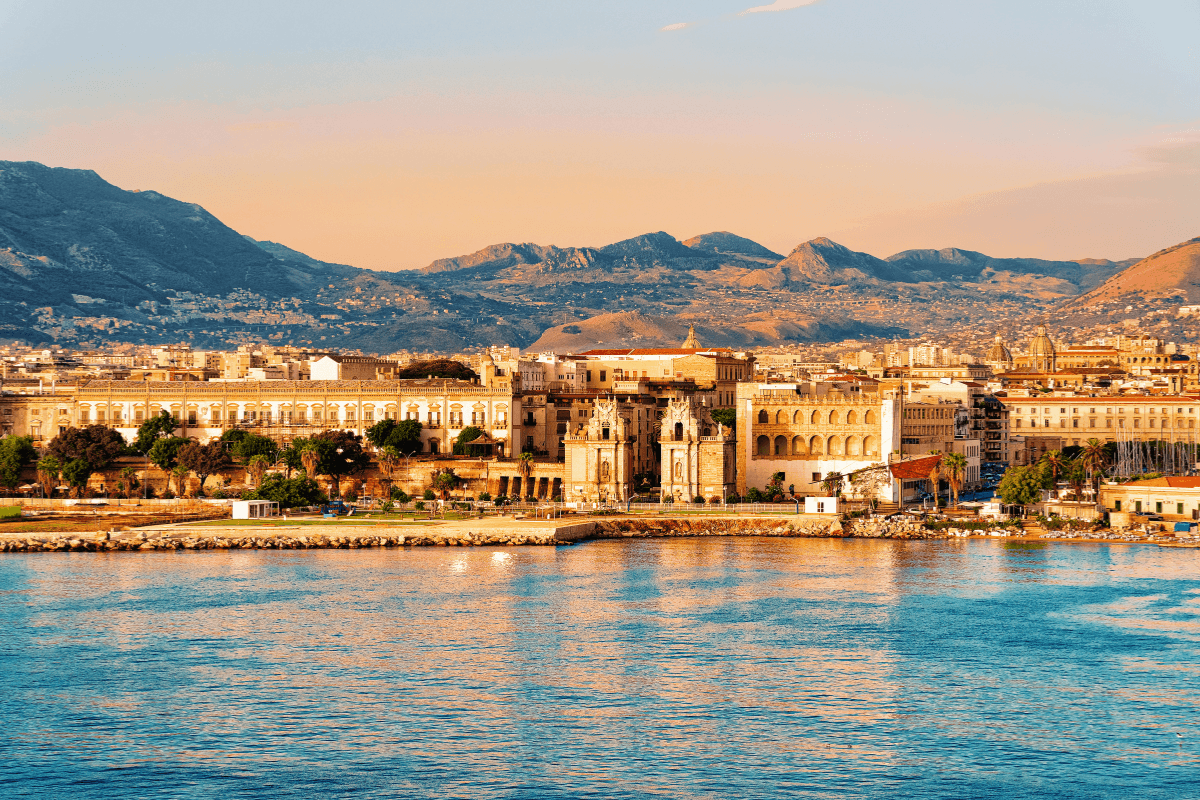
Palermo
Sicily's chaotic, beautiful capital
Best for / Vibe: Adventurous travelers, street food lovers, history buffs interested in the layers of Arab-Norman-Byzantine culture. Sicily's largest city is raw, energetic, and unlike anywhere else in Italy.
Ideal Length of Stay: 2-3 nights for the city, longer if using as a base for western Sicily (Cefalu, Segesta, Monreale).
What to Prioritize: Palermo Cathedral and the Cappella Palatina (stunning Norman mosaics). Street food markets: Ballaro, Vucciria, Capo. Day trip to Monreale Cathedral (20 min by bus). Quattro Canti intersection. Teatro Massimo (third largest opera house in Europe).
Best Base Area: Historic center near Quattro Canti or within walking distance of Politeama. Avoid staying too far from center—Palermo is best explored on foot.
Getting There + Next Stops: From Rome: 1-hour flight (ITA Airways, Ryanair) or overnight ferry. No direct train. Airport: Palermo Falcone-Borsellino (PMO), 35 km west. Prestia e Comande bus to city center ($7, 45-55 min). Train from Punta Raisi station (~1 hour). Next: Cefalu (1 hour by train), Agrigento (2 hours by bus), Catania/Taormina (3+ hours, consider flying).

Pisa
More than just the tower
Best for / Vibe: Quick stopover or Florence airport alternative. Most visitors come for the Leaning Tower photo and leave, but the Piazza dei Miracoli is genuinely spectacular, and the university town has charm beyond the famous lean.
Ideal Length of Stay: Half-day to 1 night. Most do Pisa as a day trip from Florence. If flying into Pisa Airport, consider an overnight before training to Florence.
What to Prioritize: Piazza dei Miracoli: the Tower, Cathedral, Baptistery, and Camposanto (cemetery with frescoes). Climb the Tower if you book ahead. Walk along the Arno to Piazza dei Cavalieri for a sense of the university town.
Best Base Area: Near Pisa Centrale station or the historic center. If just visiting the tower, you don't need to stay—it's 20 min walk from the station.
Getting There + Next Stops: From Florence: 50-90 min by train (Regionale Veloce is cheapest). From Rome: 2-2.5 hours direct by high-speed train. Airport: Pisa Galileo Galilei (PSA) is Tuscany's main international airport. Many fly here instead of Florence's small airport. PisaMover people mover to Pisa Centrale (5 min, $5). Next: Florence (1 hour), Lucca (30 min), Cinque Terre (1-1.5 hours).
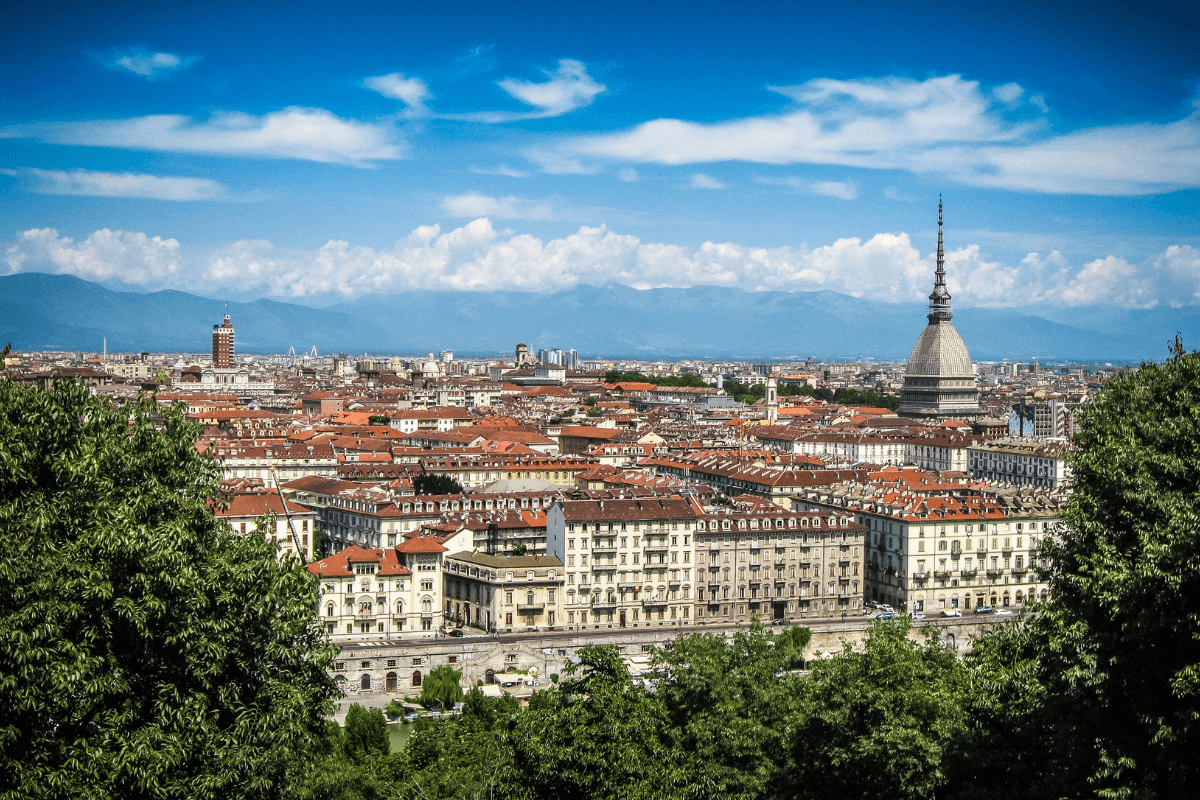
Turin
Elegant, underrated, home of the Shroud
Best for / Vibe: Travelers seeking a sophisticated, less-touristed Italian city. Former capital of Italy, Baroque architecture, incredible Egyptian museum, and the birthplace of Italian aperitivo culture. Think Milan's elegance with fewer crowds.
Ideal Length of Stay: 1-2 nights. Perfect add-on to a Milan-based trip or stopover en route to the French Riviera.
What to Prioritize: Museo Egizio (second-best Egyptian collection after Cairo). The Royal Palace and Chapel of the Holy Shroud. Mole Antonelliana and its cinema museum. Aperitivo in Piazza San Carlo or the Quadrilatero district. Day trip to Piedmont wine country if you have time.
Best Base Area: Near Porta Nuova station (central, walkable to Royal Palace) or around Piazza San Carlo.
Getting There + Next Stops: From Milan: 36-50 minutes by high-speed train (Frecciarossa or Italo). From Rome: 4-4.5 hours by high-speed train. Airport: Turin Caselle (TRN), 25 min to center by bus ($3-8) or taxi ($35-40 fixed rate). Next: Milan (50 min), Genoa (1h 45min), the Alps (1-2 hours for skiing access).
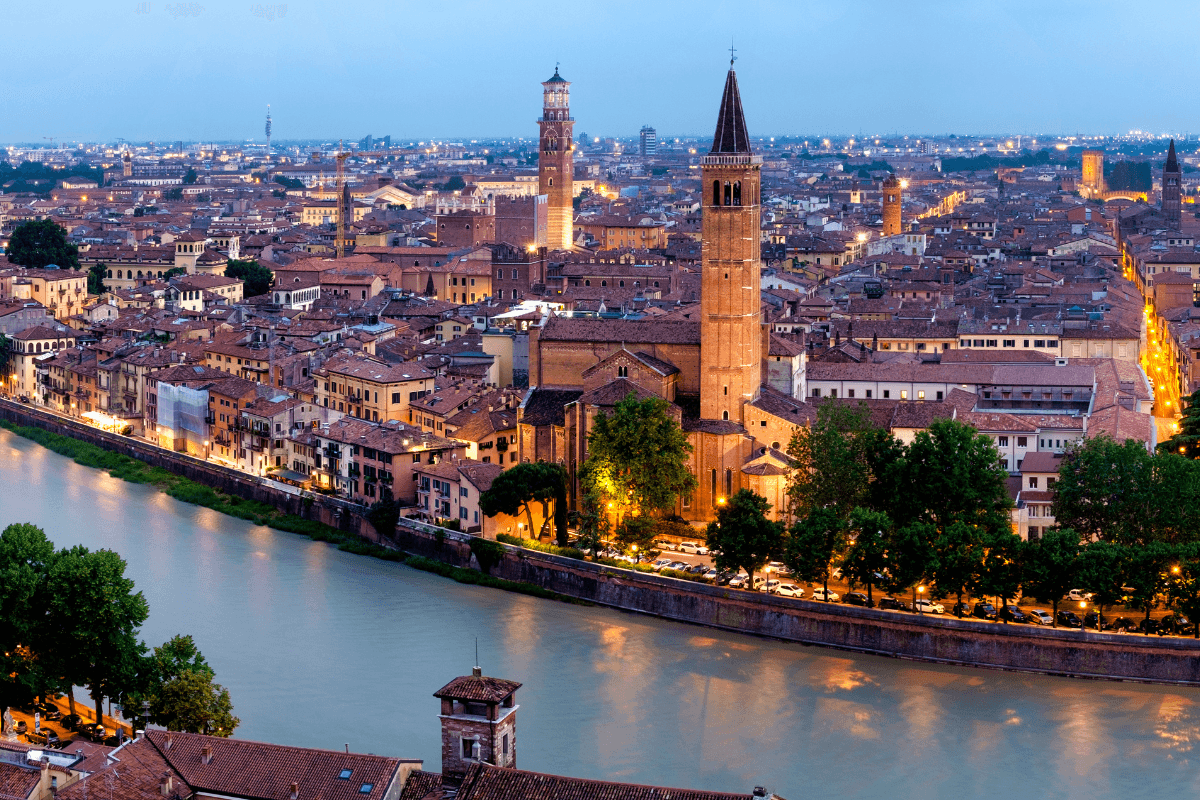
Verona (2026 Olympics Closing Ceremony)
Romeo, Juliet, and world-class opera
Best for / Vibe: Romantics, opera lovers, and travelers who want a beautiful small city that's easy to explore in 1-2 days. Home to the Arena di Verona opera festival and the fictional balcony of Juliet.
Ideal Length of Stay: 1-2 nights. Easy day trip from Venice (1 hour) or Milan (1.5 hours), but an overnight allows you to catch an opera performance in the Roman arena.
What to Prioritize: The Arena di Verona (Roman amphitheater, opera runs June-September). Piazza delle Erbe and Piazza dei Signori. Casa di Giulietta (Juliet's House—crowded but iconic). Walk the Adige River. Day trips to Lake Garda (30 min) or Valpolicella wine region.
Best Base Area: Citta Antica (old town) inside the river bend. Everything is walkable. Porta Nuova district is near the train station, 15-min walk to the Arena.
Getting There + Next Stops: From Venice: 1 hour 15 min by train. From Milan: 1.5 hours by train. From Rome: 3+ hours (often via Bologna). Airport: Verona Villafranca (VRN) for European connections, or fly into Venice (VCE) and train. Next: Venice (1.25 hours), Milan (1.5 hours), Lake Garda (30 min), Bologna (1.25 hours).
2026 Note: The Winter Olympics closing ceremony will be held at the Arena di Verona on February 22, 2026. Some arena renovations are underway in 2025. The opera festival runs June 12-September 2026.
Putting It Together: 2026 Itinerary Combos from Dallas
These itineraries are built around verified train connections and realistic travel times. All assume you're flying into Rome (FCO) on American's nonstop from DFW.
Rome + Florence + Bologna (Classic Rail Spine)
7-10 days. Perfect for first-timers who want the Renaissance highlights.
- Days 1-3: Rome (Colosseum, Vatican, Trastevere)
- Day 4: Train to Florence (1.5 hours)
- Days 5-6: Florence (Uffizi, Duomo, Oltrarno)
- Day 7: Train to Bologna (35 min)
- Days 8-9: Bologna (food, porticoes, Piazza Maggiore)
- Day 10: Train back to Rome for departure (2.5 hours) or fly out of Bologna
Pro tip: Consider open-jaw (fly home from Milan instead) to continue north and avoid backtracking.
Rome + Naples (+ Optional Onward)
7-10 days. Best for travelers wanting ancient history and authentic southern Italy.
- Days 1-4: Rome
- Day 5: Train to Naples (1 hour)
- Day 6: Naples (city exploration, Archaeological Museum)
- Day 7: Day trip to Pompeii or Herculaneum
- Day 8: Optional: Amalfi Coast day trip from Sorrento
- Days 9-10: Return to Rome or continue to Bari (4 hours) for Puglia exploration
Milan + Bologna + Florence + Rome (North-to-South)
10-14 days. Fly into Milan (via connection), train south, fly home from Rome nonstop.
- Days 1-3: Milan (connect via London/Paris/Frankfurt from DFW)
- Day 4: Train to Bologna (1 hour)
- Days 5-6: Bologna
- Day 7: Train to Florence (35 min)
- Days 8-10: Florence
- Day 11: Train to Rome (1.5 hours)
- Days 12-14: Rome, fly home nonstop to DFW
Best for travelers who want to see the north without backtracking. Open-jaw booking required.
Rome + Sicily (Palermo as Gateway)
10-14 days. For travelers ready to explore beyond the mainland.
- Days 1-4: Rome
- Day 5: Fly Rome to Palermo (1 hour)
- Days 6-8: Palermo and western Sicily (Monreale, Cefalu)
- Days 9-11: Eastern Sicily (Taormina, Syracuse, Catania—rent a car or use buses)
- Day 12: Fly Catania to Rome for connection home, or fly out of Catania with European connection
Note: Sicily requires more logistical planning. A rental car makes eastern Sicily much easier. Train connections exist but are slow.
One-Week vs Two-Week Italy (Realistic Options)
"One-Week Italy" (Realistic)
With only 7 days including travel, focus on one region. Don't try to do Rome AND Milan AND Venice—you'll spend half your trip on trains.
- Option A: Rome (4 days) + Florence (2 days)
- Option B: Rome (3 days) + Naples/Pompeii (3 days)
- Option C: Milan (3 days) + Lake Como + Verona (3 days)
"Two-Week Italy" (Comfortable)
With 14 days, you can do a proper north-to-south or add Sicily without feeling rushed.
- Option A: Rome + Florence + Venice + Milan
- Option B: Rome + Naples + Sicily (Palermo + Taormina)
- Option C: Milan + Bologna + Florence + Rome + one day trip
Final Checks for 2026 Trips
What to Verify 60-90 Days Before Departure
- Flight schedule confirmation: American's DFW-Rome frequency varies seasonally. Verify your specific dates are operating when you book.
- Train reservations: High-speed trains (Frecciarossa, Italo) don't require reservations but do require seat selection. Book 2-4 weeks ahead for best prices.
- Major attraction tickets: Colosseum, Vatican Museums, Uffizi, and Borghese Gallery require advance booking. Check for any 2026-specific closures or construction.
- Event conflicts: If traveling in February, check Olympics dates. If traveling in September, check Venice Film Festival and Verona Opera dates.
Reservation Culture: A Calm Planning Approach
Italy's major sights have fully embraced timed entry. This is actually good news—it means you can secure your spot and avoid hours in line. Here's how to approach it:
Book 4-6 Weeks Ahead:
- Colosseum / Roman Forum
- Vatican Museums
- Uffizi Gallery (Florence)
- Accademia Gallery (Florence)
- Borghese Gallery (Rome)
- Last Supper (Milan)—book 2-3 months ahead
Book 1-2 Weeks Ahead:
- High-speed train tickets (for best prices)
- Pompeii entry (less critical but helps)
- Leaning Tower of Pisa climb
- Arena di Verona opera tickets
- Popular restaurant reservations
Don't stress about every single museum. The reservation culture mostly applies to the top-tier attractions. Smaller museums, churches, and neighborhoods are still spontaneous.
Get Flight Deal Alerts from DFW & DAL
Free subscribers get our twice-weekly deal newsletter and every deal page on the site, refreshed hourly. Premium adds the live deals dashboard updating in real time and unlimited custom trip alerts by city, dates, and savings threshold.
Read Next
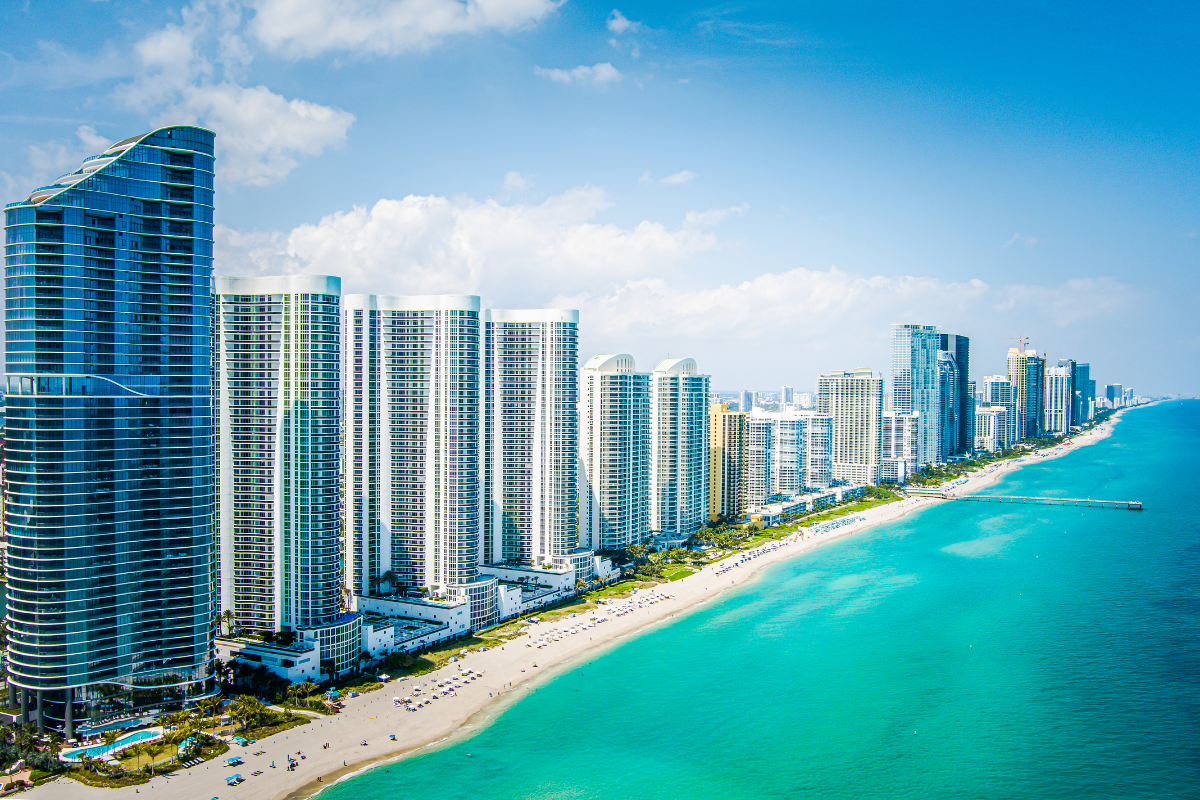
Planning a Trip to Miami from Dallas: What to Know Before You Go
A practical guide for Dallas travelers considering Miami. Nonstop flight details from DFW, neighborhood breakdowns from South Beach to Little Havana, restaurant recommendations from Joe's Stone Crab to Michelin-starred Boia De, Cuban coffee culture, Art Basel and Calle Ocho, weather and hurricane realities, and honest advice on when to go and how long to stay.
Planning a Trip to New Orleans from Dallas: What to Know Before You Go
A practical guide for Dallas travelers considering New Orleans. Nonstop flight details from DFW, neighborhood breakdowns from the French Quarter to Bywater, restaurant history from Commander's Palace to po'boy origins, cocktail culture, Mardi Gras logistics, and honest advice on when to go and how long to stay.